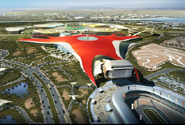













The rapid growth of Abu Dhabi
Abu Dhabi is widely recognized as one of the fastest growing cities in the world. Over the past few decades, the capital of the United Arab Emirates has transformed from a relatively quiet coastal settlement into a global center for business, tourism, innovation, culture, and sustainable urban development. Its remarkable rise is driven by visionary leadership, strategic investments, economic diversification, and a commitment to building a future-ready economy.
The growth story of Abu Dhabi is closely tied to the discovery of oil in the mid-20th century. Oil revenues enabled the emirate to rapidly modernize its infrastructure, healthcare, education, and transportation systems. However, what truly distinguishes Abu Dhabi today is its long-term vision to reduce dependence on oil and create a diversified and sustainable economy.
One of the major reasons behind Abu Dhabi’s rapid growth is its ambitious infrastructure development. The city features world-class highways, airports, ports, public spaces, and modern residential communities. Major projects such as Yas Island, Saadiyat Island, Al Reem Island, and Masdar City have transformed the urban landscape and attracted investors, tourists, and multinational corporations from around the world.
Tourism has become a powerful driver of economic expansion. Abu Dhabi has successfully positioned itself as a luxury travel and cultural destination. Attractions such as Sheikh Zayed Grand Mosque, Louvre Abu Dhabi, Ferrari World Abu Dhabi, and Yas Marina Circuit attract millions of visitors every year. The city has also become a major destination for international conferences, exhibitions, sporting events, and entertainment festivals, contributing significantly to economic growth.
Another important factor behind Abu Dhabi’s rise is its strong focus on economic diversification. The emirate has invested heavily in sectors such as renewable energy, artificial intelligence, finance, logistics, healthcare, aerospace, and advanced manufacturing. Initiatives like the Abu Dhabi Economic Vision 2030 aim to create a knowledge-based economy that can compete globally in the decades ahead.
The city’s business-friendly environment has also encouraged international investment. Free zones, favorable regulations, modern infrastructure, and political stability make Abu Dhabi an attractive destination for entrepreneurs and global companies. Many international firms now use Abu Dhabi as a regional headquarters for operations across the Middle East and North Africa.
Education and innovation are playing an increasingly important role in Abu Dhabi’s growth strategy. International universities, research centers, and technology hubs are helping build a highly skilled workforce. Investments in artificial intelligence and smart city technologies are positioning Abu Dhabi as a future-oriented innovation hub.
Sustainability is another key pillar of the city’s development model. Projects like Masdar City demonstrate Abu Dhabi’s commitment to renewable energy and environmentally responsible urban planning. The emirate continues to invest in clean energy initiatives, green transportation, and sustainable construction to support long-term growth while reducing environmental impact.
Abu Dhabi’s population growth also reflects its expanding global importance. Professionals, entrepreneurs, students, and investors from around the world are relocating to the city because of its safety, economic opportunities, and high quality of life. Modern healthcare facilities, international schools, luxury housing, and a multicultural environment make the city attractive for expatriates and families alike.
Despite rapid expansion, Abu Dhabi has managed to preserve elements of its cultural heritage and identity. Traditional markets, Emirati hospitality, heritage villages, and Islamic architecture continue to coexist alongside futuristic skyscrapers and modern developments. This blend of tradition and innovation gives the city a unique character that appeals to both residents and visitors.
Today, Abu Dhabi stands as a symbol of modern urban transformation. Its strategic planning, economic resilience, cultural development, and global outlook continue to drive its rapid rise on the world stage. As the city invests further in technology, sustainability, tourism, and innovation, Abu Dhabi is expected to remain one of the fastest growing and most influential cities in the world for many years to come.
We accept Guest Posts 
|
|

 New
New Review
 Abu Dhabi International Airport - 41°F